Author: user
-
View Article: The Complete Guide to B2B eCommerce Integration
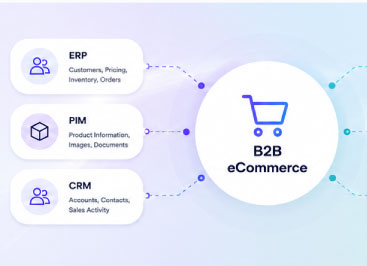
A successful B2B eCommerce platform rarely operates as a standalone system. The online store may provide the customer-facing experience, but the information required to support that experience is usually spread across an ERP, CRM, warehouse platform, product information system, accounting application and other business systems. Customers expect to see their correct pricing, available inventory, account…
-
View Article: Shopify and Microsoft Dynamics 365 Business Central: The Complete Integration Guide
As eCommerce businesses grow, managing orders, inventory, customers and financial data across separate systems becomes increasingly difficult. Shopify manages the online buying experience, while Microsoft Dynamics 365 Business Central manages inventory, purchasing, warehousing, fulfilment and financial operations. Without a reliable connection between the two platforms, teams can become dependent on spreadsheets, manual data entry and…
-
View Article: How to Integrate Pronto Xi with Shopify Plus: A Practical Guide
For businesses using Pronto Xi, launching a new Shopify Plus store involves more than just transferring products and orders between two platforms. Pronto Xi is often responsible for critical operational data, including product records, inventory, customer accounts, contract pricing, credit terms, fulfilment and financial reporting. Shopify Plus, meanwhile, becomes the customer-facing commerce platform through which…
-
View Article: Microsoft Dynamics 365 Business Central vs NetSuite: Which ERP Is Better for eCommerce?
Choosing the right ERP is a major decision for any growing eCommerce business. For retailers, wholesalers, distributors and B2B suppliers, selecting the right ERP for their business is a critical choice. When it works well, the business can scale with confidence. When it does not, the commerce experience can quickly become difficult to manage. Two…
-
View Article: Cin7 Omni and Shopify B2B: What to Consider Before Building a Trade Portal
For many wholesalers, distributors and growing product businesses, Cin7 Omni plays a central role in inventory, order management, fulfilment and operational control. It helps manage products, stock, sales channels, orders, suppliers, warehouses and integrations. For businesses with multiple channels, complex inventory needs, EDI requirements or advanced operational workflows, Cin7 Omni can become one of the…
-
View Article: Best B2B eCommerce Platform for Wholesalers and Distributors: Shopify Plus vs Adobe Commerce
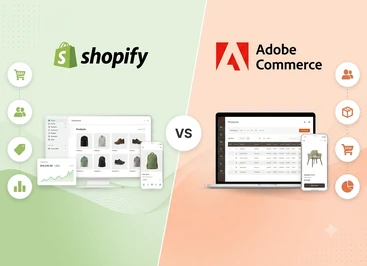
Choosing the best B2B eCommerce platform is not just a website decision. For wholesalers, distributors, manufacturers and trade suppliers, B2B eCommerce needs to support the way the business actually operates. That usually means account pricing, customer-specific catalogues, stock visibility, payment terms, approvals, repeat ordering, invoice access, order history, ERP integration and fulfilment workflows. That is…