
IDENTITY & ACCESS INTEGRATION
One identity.
The right access.
Make it easier for customers and staff to reach the systems they need. OSE designs identity and single sign-on integrations around your applications, account structures and access requirements.
Confirm identity.
Apply the right permissions.
DESIGNED AROUND PEOPLE & SYSTEMS
Simpler sign-in.
Clearer access decisions.
Repeated logins, disconnected accounts and unclear permissions create friction for users and extra work for your team.
OSE brings your application, commerce and technology stakeholders together to map how people sign in and what they need to access. We define the account relationships, identity sources and application boundaries before selecting the connection.
The goal is a coherent experience backed by explicit access rules, useful operational visibility and a practical support model.
Explore systems integration
WHAT WE HELP CONNECT
The identity behind
every digital interaction.
Scope the right combination of sign-in, account lifecycle and application permissions for your users and systems.
Single sign-on
Connect supported applications to a shared identity provider so users can move between services with a more coherent sign-in experience.
Customer identity
Shape registration, sign-in, account recovery and profile mapping around the needs of your customers and commerce platform.
Workforce access
Assess staff and administrator access separately, using the organisation’s identity source and appropriate application controls.
Company accounts & roles
Map user identity to company membership and application permissions, including relevant B2B purchasing and administration roles.
Account lifecycle
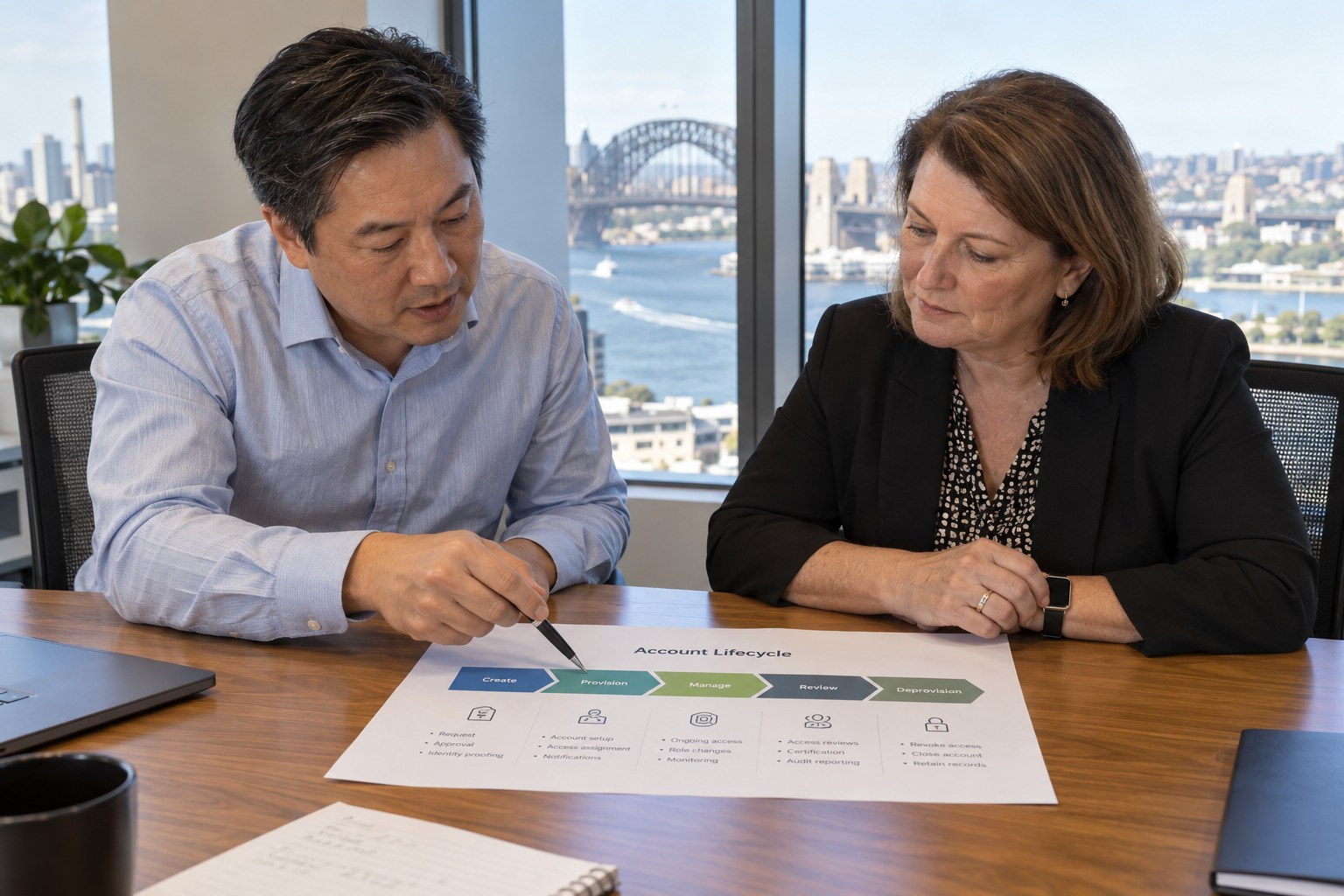
Define how accounts are created, linked, updated and disabled, with clear ownership and reconciliation across systems.
Legacy application access
Assess what older applications can support and plan a practical federation, gateway or phased replacement approach.
DIFFERENT USERS. DIFFERENT REQUIREMENTS.
Choose the journey
before the technology.
Customer identity and staff access may share standards, but their account models, support needs and application controls differ.

PLATFORMS & STANDARDS
Work with your identity
and application landscape.
Start with the systems you have and the experience you want to create.
OSE assesses platforms such as Okta, Auth0 and appropriate AWS identity services alongside your commerce and business applications. We distinguish customer-facing identity from workforce access and cloud resource permissions, then scope the services relevant to your use case.
SAML and OpenID Connect support federated sign-in. OAuth 2.0 addresses delegated access to resources. We select the supported patterns and map the identity claims and permissions your applications actually need.
THE ACCESS DECISION
“Who are you?” and “What can you do?”
need separate answers.
Successful sign-in does not automatically grant access to every account or application. We map identity to the correct company, role and permissions so each application can enforce its access rules.
A PRACTICAL DELIVERY APPROACH
Discover the journey.
Validate the boundaries.
Make the expected behaviour explicit for sign-in, recovery, account linking, access changes and failure scenarios.
Discover users & applications
Map customer and staff journeys, identity sources, account structures and the owners of each application.
Design the access model
Agree supported sign-in protocols, claims, role mappings, account linking and lifecycle responsibilities.
Validate the whole journey
Check sign-in, sign-out, recovery, disabled accounts and cross-account boundaries with your application and security stakeholders.
Launch with a support plan
Agree migration, rollback, logging and exception handling, with clear ownership of ongoing identity and application changes.
COMMON QUESTIONS
Clarity before
your next connection.
Answers to common questions about SSO, identity platforms and access across your applications.

What is the difference between SSO and identity management?
SSO lets users access supported applications through a shared sign-in session. Identity management has a wider scope, including account ownership, lifecycle, identity attributes and how access is governed across applications.
Can customers use one login across our websites and portals?
Often, subject to the capabilities of each platform and identity provider. We assess domains, user identifiers, account linking and session behaviour before recommending how a shared customer sign-in journey should work.
Do SSO and authentication decide what a user can access?
Authentication establishes who the user is. Authorisation determines what they may do. SSO does not replace application permissions, so company membership, roles and account-level access still need explicit design and validation.
Can we use our existing identity provider?
We review your current provider, licensing and supported application connections first. The right approach may extend your existing platform rather than introduce another identity system.
How do you handle existing customer accounts?
We map identifiers, duplicate accounts and linking rules before migration. The plan needs to define how returning users regain access, how exceptions are handled and how credentials or sessions are transitioned using supported methods.
Can older systems be included?
We assess the interfaces and sign-in methods the application supports. Some systems can federate directly; others may need a gateway, controlled coexistence or a phased replacement. We define the limitations before implementation.
LET’S CONNECT THE EXPERIENCE
Make access simpler.
Keep responsibilities clear.
Start with your users, applications and the journeys that matter.