Running an eCommerce store means handling valuable information, including customer names, addresses, passwords and payment details. That makes online stores attractive targets for cybercriminals. A successful attack can disrupt sales, expose sensitive data and damage customer trust. Fortunately, you can significantly reduce the risk by following a layered security strategy. Here are the most important…
Shipping is one of the most influential—and frequently underestimated—parts of the ecommerce experience. Customers use delivery cost, speed and convenience to decide whether to complete an order. Behind the scenes, retailers must coordinate inventory, packaging, carriers, insurance, fulfilment locations and customer communications while protecting already narrow margins. The solution is rarely to find one carrier…
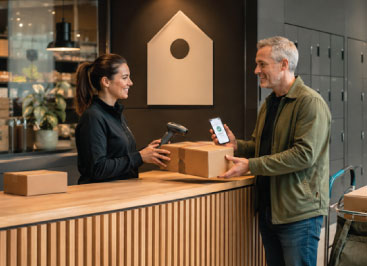
Click and collect has evolved from a convenient delivery alternative into an important part of the omnichannel customer experience. For shoppers, it offers the speed of online purchasing without the cost or uncertainty of home delivery. For retailers, it can convert store inventory into an ecommerce advantage, reduce fulfilment costs and bring digitally acquired customers…
Artificial intelligence is already helping eCommerce teams generate content, analyse data and respond to customers. AI agents take this further. Rather than waiting for a separate instruction at every step, an AI agent can interpret an objective, gather relevant information, choose an appropriate action and use connected systems to complete a task. It might analyse…
Home and garden ecommerce presents retailers with an unusual growth challenge. Customers increasingly begin their journey online, but many products in the category remain difficult to evaluate without seeing, touching or measuring them. Furniture must fit a room. Paint must look right under different lighting. Garden products may require technical knowledge. Bulky orders introduce delivery…
When ecommerce costs become difficult to control, replatforming is often presented as the obvious solution. A newer platform promises lower licence fees, fewer upgrades, faster releases and less technical overhead. For retailers operating complex Adobe Commerce environments, the comparison frequently points towards a SaaS platform such as Shopify Plus. Sometimes that recommendation is correct. But…