Search is one of the highest-intent areas of an eCommerce website. A customer who types a product name, part number, brand or problem into the search box is not casually…
Artificial intelligence is already helping eCommerce teams generate content, analyse data and respond to customers. AI agents take this further. Rather than waiting for a separate instruction at every step,…
Major ecommerce growth does not always require a new platform, a redesigned storefront or a multi-year transformation program. Established retailers often have substantial revenue opportunities hidden inside their existing customer…
Structured data is one of the highest-value technical improvements an eCommerce retailer can make to its website. It is also frequently underdone. Many eCommerce websites have some structured data. A…
Product filters are one of the most important product discovery tools on an eCommerce website. They are also surprisingly easy to get wrong. A retailer with 2,000 products in a…
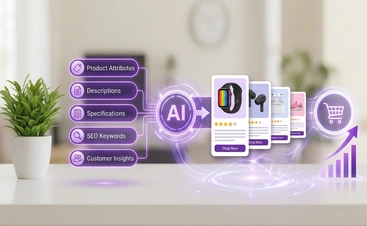
Artificial Intelligence is changing how customers discover, evaluate and purchase products. While much of the conversation has centred around ChatGPT, AI shopping assistants and automated customer service, many retailers are…
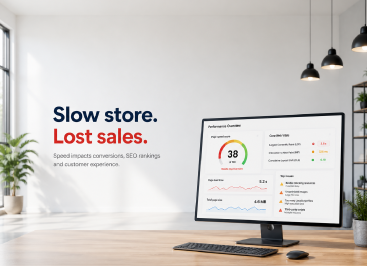
A slow eCommerce website doesn’t just frustrate customers. It costs you sales. Whether you’re running Shopify, Adobe Commerce, BigCommerce, WooCommerce or another platform, website performance has a direct impact on…
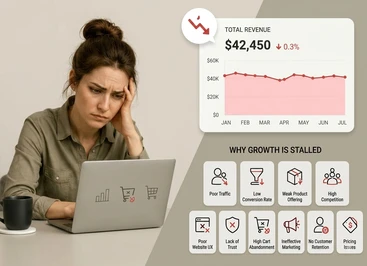
If your online revenue has plateaued, you’re not alone. Many retailers and manufacturers experience periods where online sales simply stop growing. Traffic may still be coming to the site. Orders…
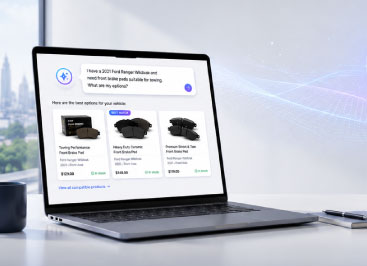
Search has always been one of the most important functions of an eCommerce website. For retailers with hundreds, thousands or even hundreds of thousands of products, it is often the…
For the past two decades, B2B eCommerce has largely been about one thing: making it easier for existing customers to place orders online. The priorities were straightforward. Integrate with the…
Most eCommerce businesses invest heavily in their website, ERP integration and marketing, yet one of the most important foundations is often overlooked. Product category architecture. Poor category structures make it…
Consumers are increasingly using ChatGPT to research products, compare alternatives and decide what to buy. Instead of searching for a particular product name, they can describe a need: ChatGPT can…
Your Product Data Is More Important Than Your eCommerce Platform When businesses begin planning an eCommerce project, most of the discussion centres around selecting the right platform. Should you choose…