Our services
Adobe CommerceComplex catalogues, multi-store and B2BShopify PlusNew stores, migrations and growthB2B eCommerceTrade ordering, pricing and portalsB2C eCommerceBetter buying and connected retailSupport & MaintenanceOngoing care for Adobe Commerce and ShopifySystems IntegrationConnect your store, product data and ERPSearch VisibilitySEO, AEO and GEO
Author: ose-admin
-
View Article: eCommerce Data Migration: What to Verify Before You Go Live
A new store can look ready while its data is still wrong. Products appear in search, customers can sign in and a test payment succeeds. Yet a trade account sees the wrong price, an imported order enters the warehouse twice, or an old customer loses access to the purchase they need to return. For Australian…
-
View Article: Google Local Inventory for New Zealand Retailers: When to Show Branch Stock and Pickup
A shopper in Christchurch finds a kettle on Google, sees it available nearby and drives to the branch. The only unit is a display model the store cannot sell. The stock count was technically correct, but the listing made a promise the branch could not keep. For New Zealand retailers with physical stores, Google local…
-
View Article: eCommerce Refund Reconciliation: Connect Returns, Payments and Your ERP
A customer returns a pair of shoes in store after buying them online. The counter team records the return, the warehouse later receives the parcel, and finance sees a credit in the ERP. The payment provider still shows a pending refund. Each team has a record of the event, yet nobody can tell the customer…
-
View Article: B2B Purchase Order Approvals: Where Should the Buying Decision Happen?
A maintenance buyer assembles a basket of replacement parts, then sends screenshots to a manager for approval. The manager agrees by email. When the buyer returns to checkout, the price or availability has changed. The supplier receives an order with a purchase order number, but no reliable record of which version the manager approved. For…
-
View Article: B2B Trade Account Approval: From Application to First Online Order
A contractor applies for a trade account online. The request arrives in the sales inbox, but nobody knows whether the contractor is new, already buys through a branch, or should have access to the company’s negotiated prices. A salesperson creates another record to get the order moving. The buyer can now sign in, but the…
-
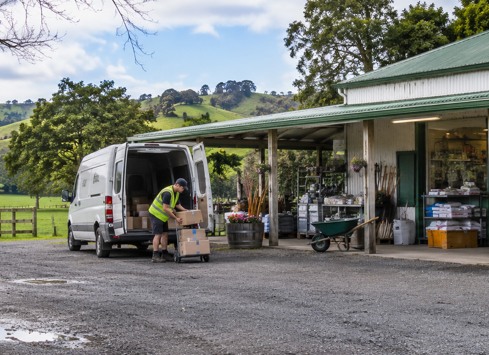
View Article: Rural Delivery in New Zealand: How to Set Checkout Rates You Can Fulfil
A rural delivery order can look profitable at checkout and lose money when it reaches dispatch. Sometimes the store has quoted an urban rate for a rural address. Sometimes the address is correct, but the product needs a service that cannot carry it. In both cases the customer has paid for a promise the warehouse…