Our services
Adobe CommerceComplex catalogues, multi-store and B2BShopify PlusNew stores, migrations and growthB2B eCommerceTrade ordering, pricing and portalsSupport & MaintenanceOngoing care for Adobe Commerce and ShopifySystems IntegrationConnect your store, product data and ERPSearch VisibilitySEO, AEO and GEO
Author: ose-admin
-
View Article: Why Your B2B Customers Still Order by Phone and How to Move Them Online
Your B2B eCommerce portal is live. Customers can browse products, check their account pricing and place orders whenever they need to. Yet the phones keep ringing, purchase orders arrive by email, and your team continues entering orders manually. It can be tempting to assume customers simply prefer the old way. However, low adoption deserves a…
-
View Article: How Much Does B2B eCommerce Cost? A Guide to Platforms, ERP Integration and Implementation
For wholesalers, manufacturers and distributors, the cost of B2B ecommerce extends beyond building a website. Your investment needs to cover the way customers buy, the systems that manage your business and the work required to connect them. A wholesale portal with a shared catalogue and straightforward ordering has a different scope from a platform that…
-
View Article: What Should Your eCommerce Support Agreement Include? A Buyer’s Checklist
When your eCommerce store experiences a problem, the quality of your support agreement becomes immediately important. A checkout error may prevent customers from buying. An integration failure may stop orders reaching your ERP. Incorrect stock information may lead to overselling, cancellations and additional work for your customer service team. At that point, your business needs…
-
View Article: How to Change eCommerce Agencies Without Disrupting Your Business.
Changing eCommerce agencies can feel like a significant operational risk. Your current agency may have built the website, configured its integrations and supported it for years. They understand the customisations, know where problems tend to occur and hold knowledge your internal team may not have. Even when the relationship is no longer working, staying can…
-
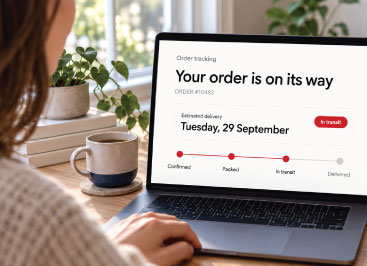
View Article: Order tracking: keeping customers informed after checkout
A customer completes a purchase, receives an order confirmation and starts looking forward to delivery. For the merchant, the work shifts to processing, fulfilment and dispatch. For the customer, a new set of questions begins. Has my order been processed? Has it left the warehouse? When will it arrive? How clearly a business answers these…
-
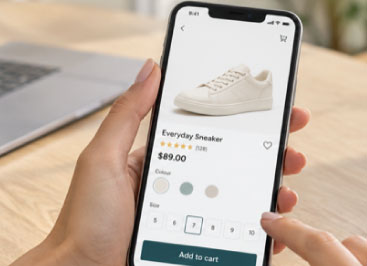
View Article: Mobile Product Pages: Helping Customers Buy on a Smaller Screen
A customer arrives on your product page after tapping a search result, an advertisement or a link shared by a friend. They are interested enough to take a closer look, but they still have questions. Is this the right product? Which size or configuration do they need? What does it cost? When will it arrive?…